A clearer Airbnb listing can help guests judge whether your property suits their plans. Bookings also depend on demand, location, dates and price, so no furnishing choice or listing setting can guarantee a full calendar.
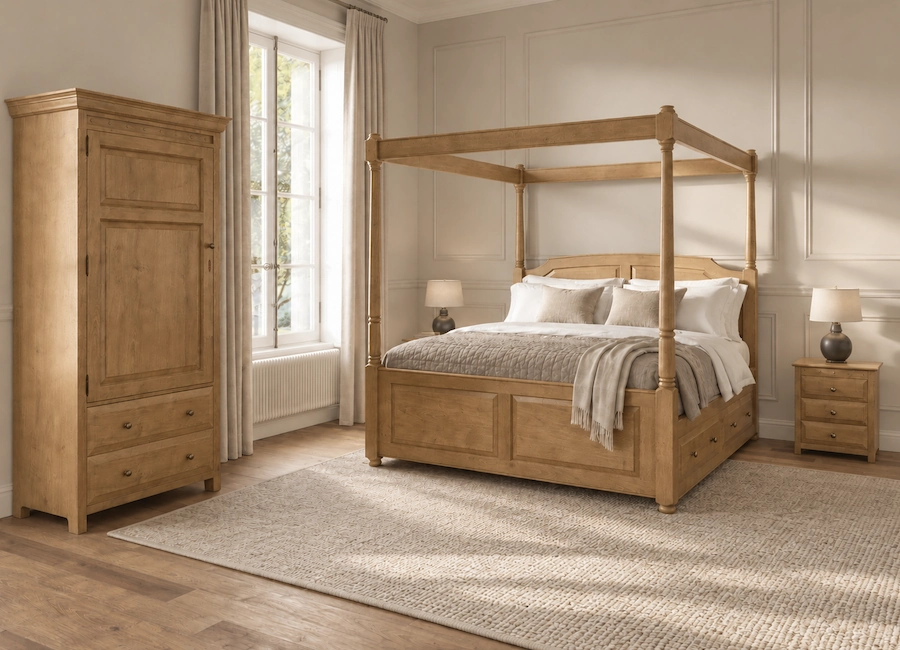
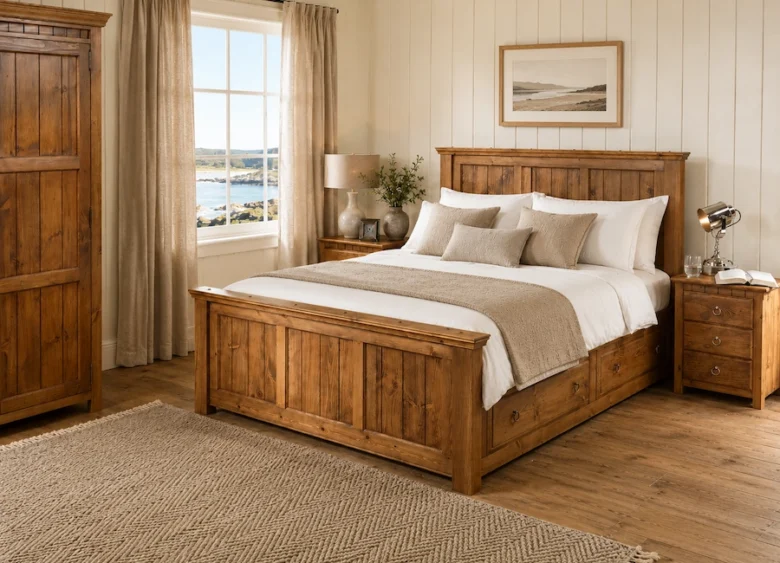
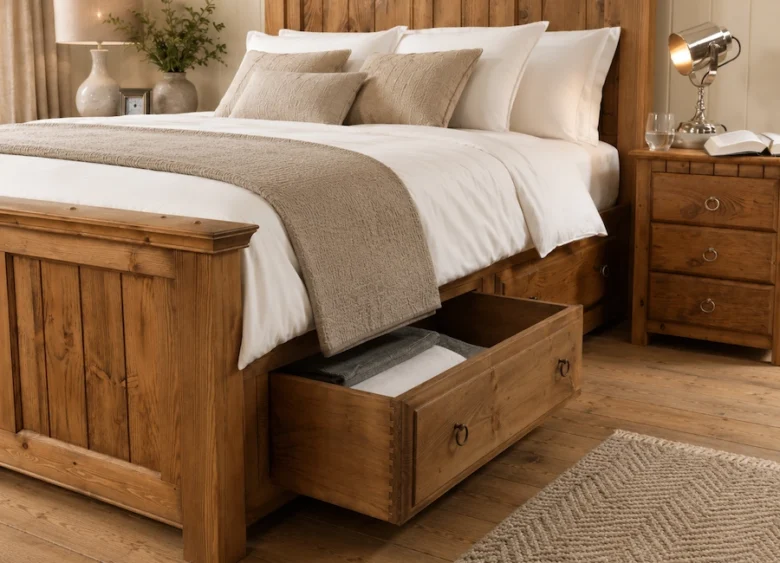
Use these ten checks to improve the information and experience you offer. The furniture photographs are illustrations, not photographs of a particular Airbnb property.
1. Make the room work before styling it
Check the bed footprint, walking routes, storage and room for luggage. Choose furniture for the intended use and maintenance needs. A clear layout is more useful than buying decorative pieces that leave guests short of usable space.
2. Write a specific, accurate title
Lead with a real feature that helps guests distinguish the property, such as its setting or type of stay. Avoid exaggerated claims or amenities you cannot consistently provide. Keep the title aligned with the full description.
3. Show the actual property
Use clear, current photographs of the rooms guests will book, with permission from the photographer. Show important details and limitations as well as the best view. Stock photographs and furniture product images should not stand in for photographs of the accommodation.
4. Review booking settings thoughtfully
Check whether availability, stay lengths and booking options suit the way you operate. Airbnb explains that Instant Book can affect visibility and response handling, but it is not a promise of bookings. Only use settings you can reliably honour.
5. Compare the total guest price
Look at comparable stays for the same dates, capacity and amenities, including relevant fees. Review quieter and busier periods separately. A higher furniture budget does not automatically support a higher nightly rate.
6. Welcome honest feedback
Use feedback to understand what worked and what needs attention. Follow Airbnb’s Reviews Policy: do not offer a discount or other benefit in exchange for a review or pressure guests for a positive rating.
7. Explain amenities and local information
Describe what is included and how guests can use it. Keep practical local suggestions current, and distinguish your accommodation from any separately supplied activity. Do not promise third-party services without an agreed arrangement.
8. Use social photographs responsibly
Share images you have permission to use and keep descriptions consistent with the live listing. Get appropriate permission before reusing a guest’s photograph or testimonial. A social following is useful context, not a guaranteed source of reservations.
9. Keep the calendar and communications reliable
Update availability and respond to enquiries accurately. Check the platform’s current rules before introducing repeat-booking offers or referral activity, and avoid encouraging guests to bypass applicable platform requirements.
10. Review performance against real results
Airbnb’s search guidance identifies several influences, including quality, popularity, price and location. Track enquiries, bookings and cancellations over comparable periods. Change a manageable number of elements at once so the results remain useful.
Choose furniture around the stay
For more on room planning, see our Airbnb furniture-selection guide. Confirm product suitability for your intended use and keep listing photographs specific to your property.
For a bedroom project, explore our wooden beds and bedroom furniture, or visit the showroom. Discuss the intended commercial use, specification, care, access and delivery arrangements with the team before ordering.