A study can be a quiet place to work, read, plan or simply take a break from the rest of the house. You might picture dark timber, shelves of books and a comfortable chair, or prefer a lighter, more modern room. There is no single formula for a gentleman’s study: the best one reflects the person using it and makes everyday tasks easier.
Start with how you want the room to feel and function. These eight ideas will help you shape a study that feels considered, comfortable and unmistakably yours.
1. Choose a colour palette you enjoy living with
Deep green, navy, burgundy and warm neutrals can give a study a settled feel. If you prefer a brighter room, try soft whites, pale greens or muted blues, then bring in darker tones through a chair, lamp or picture frame. Paint, wallpaper, curtains and smaller accessories can all introduce colour without needing to change every surface.
Consider the natural light in the room before settling on a shade. A colour can look quite different in a north-facing room than it does in a bright, sunny one. Test a sample on the wall and look at it at different times of day.
2. Make the desk and chair fit the work
Think about what you do at the desk and how much space those tasks need. A laptop and notebook may call for a compact surface; paperwork, drawing or several screens may need more room. Check the desk height, legroom and access to sockets before you buy or position anything.
Choose a chair that supports the time you spend sitting there. If the study also serves as a reading room, a separate armchair can create a comfortable place to step away from the screen. Keep useful items within reach, but leave enough clear space to work.
3. Layer the lighting
One overhead light rarely suits every task. Combine ambient light with a desk lamp for focused work and a floor or table lamp for reading and quieter evenings. Position task lighting to reduce glare on screens and shadows across the work surface.
Where possible, make use of daylight without letting it shine directly onto a screen. Curtains or blinds give you more control as the light changes through the day.
4. Plan storage around what you use
Bookshelves, drawers and cupboards help keep a study calm and usable. Open shelves make books and objects easy to reach; closed storage can hide paperwork, cables and equipment. Measure the available wall and floor space, including door openings and walkways, before choosing a unit.
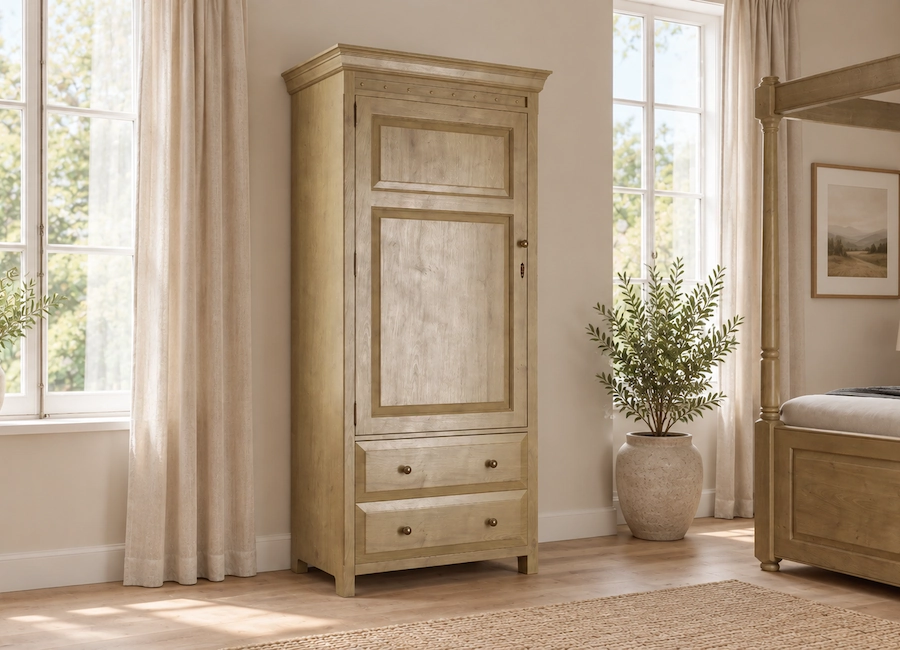
If a room has an alcove or an awkward corner, made-to-measure storage may help use the space well. Solid wood furniture can also bring warmth and character to a study. For an example, see Revival’s Gentleman’s Cupboard.

Look for pieces with the size, finish and storage you need, rather than choosing a style that makes the room harder to use.
5. Add comfortable textures
Layering texture can make a work space feel less formal. A rug can soften a hard floor; curtains, cushions and a throw can add warmth; and wood, metal, leather or woven materials can give the room visual interest. Choose finishes that work together without making the space feel crowded.
If you plan to use a reading chair for long stretches, comfort matters as much as appearance. Leave enough room around it for a lamp and a small table, so a book or cup has somewhere to go.
6. Keep books and useful references close
Bookshelves can make a study feel personal while keeping favourite titles and reference books close at hand. Arrange books in a way that suits you: by subject, colour, size or simply the order in which you use them. Leave a little space for new finds and objects that matter to you.
For smaller rooms, try a narrow bookcase, wall shelves or storage that makes use of vertical space. Keep heavier items on lower shelves and make sure tall furniture is secured appropriately.
7. Give everyday essentials a place
Pens, notebooks, chargers and headphones are easier to find when they have a home. A tray, desk organiser or drawer divider can keep smaller items together. Use cable clips or a cable box to reduce loose wires, and keep only the items you use regularly on the desk.
These practical details can still suit the style of the room. Choose accessories in finishes and materials that complement the desk, shelves and lighting.
8. Make the room personal
Artwork, photographs, travel finds and well-loved objects make a study feel like your own. Display a few pieces that have meaning to you, leaving enough open space for them to stand out. Plants can bring a softer note to a room if the light and care requirements suit them.
The finishing touches do not need to follow a theme. Choose what you enjoy seeing every day, and let the room evolve as your work and interests change.
Create a study that suits your home
A useful study brings together a comfortable place to work, lighting for different tasks and storage that keeps the room organised. From there, choose colours and personal details that feel right for you.
If you would like to see Revival’s wooden furniture in person, book a visit to our factory showroom. You can also request free wood samples to compare finishes at home.