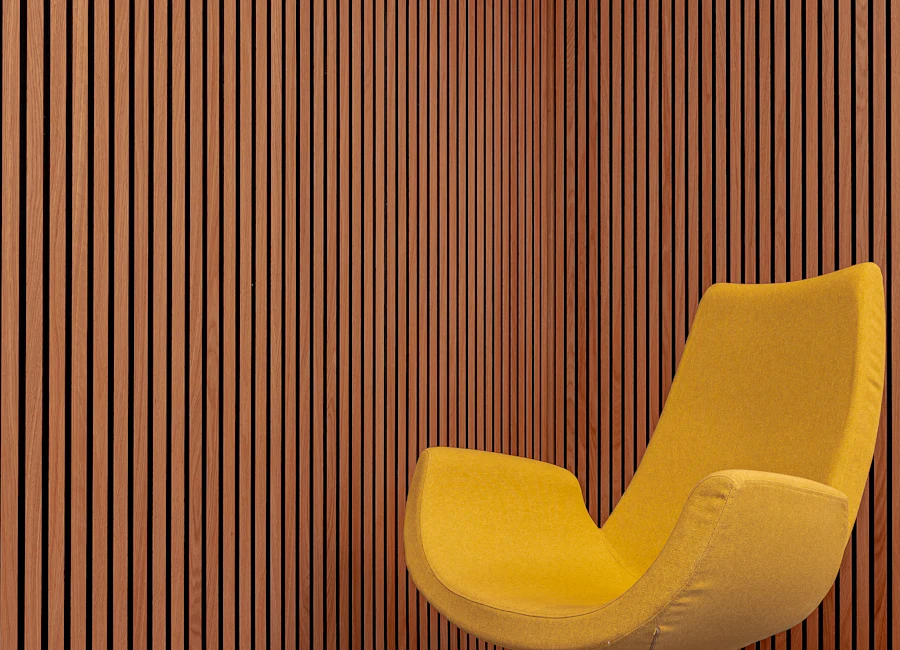
Half-wall panelling can introduce pattern and texture without covering a whole room. The height, spacing and finish change its effect, so compare a few layouts against the room’s doors, windows and furniture before choosing.
These four approaches offer different starting points. Use materials specified for the intended location and discuss preparation and fitting with a suitable installer.
Featured photograph: Photo by Jan Kopřiva on Unsplash (licence). Images illustrate room planning or materials; they are not Revival product photographs.
1. Classic stained timber
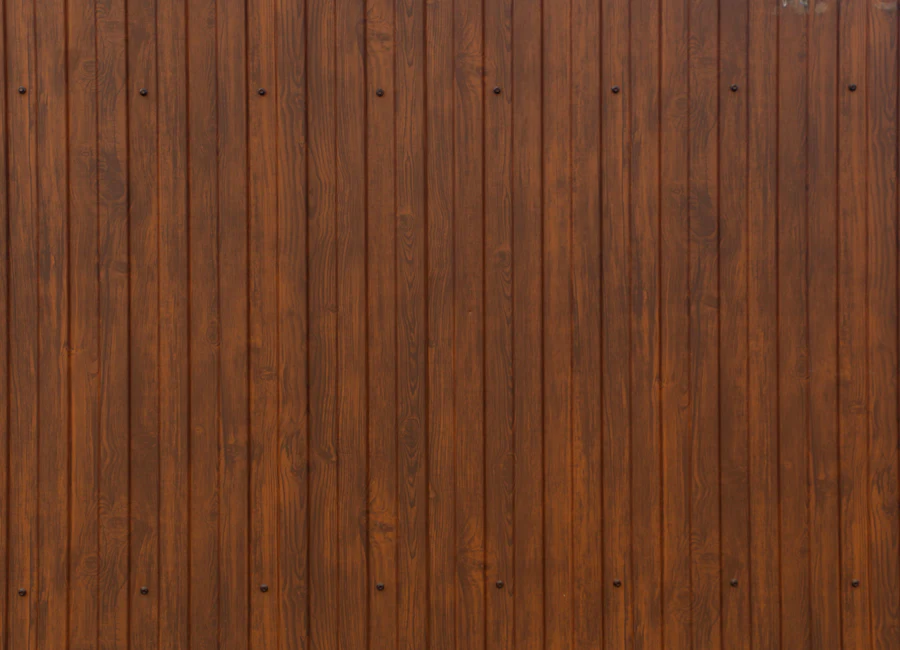
Visible grain and a stained finish can bring warmth to a room. Compare samples beside the floor and furniture in daylight and evening light. Similar tones can create a connected look, while a deliberate contrast can give the panelling more definition.
Try the proposed height with removable tape before fitting. A lower band leaves more wall for artwork; taller panels create a stronger feature. Check where the top rail meets switches, sockets and window sills.
2. Painted panels
Painting the panels and upper wall in one colour gives a quieter effect; contrasting colours emphasise the dividing line. Test both on samples rather than assuming a dark or light paint will always make the room look taller.
Vertical grooves, horizontal boards and framed rectangles create different rhythms. Choose a paint system suitable for the panel material and room, following the manufacturer’s preparation and coating instructions. This decorating idea concerns wall panelling; Revival does not offer painted furniture or colour matching.
3. A simpler modern pattern
Evenly spaced battens or larger rectangles can give panelling a clean outline. Draw the pattern to scale and check how it ends at corners, door frames and built-in features. A symmetrical design on paper may need adjustment to work around the actual room.
One feature wall may provide enough detail, especially behind a bed or in a small hallway. Keep nearby artwork and accessories simple so the panel pattern remains easy to see.
4. Compare panel systems and reclaimed materials
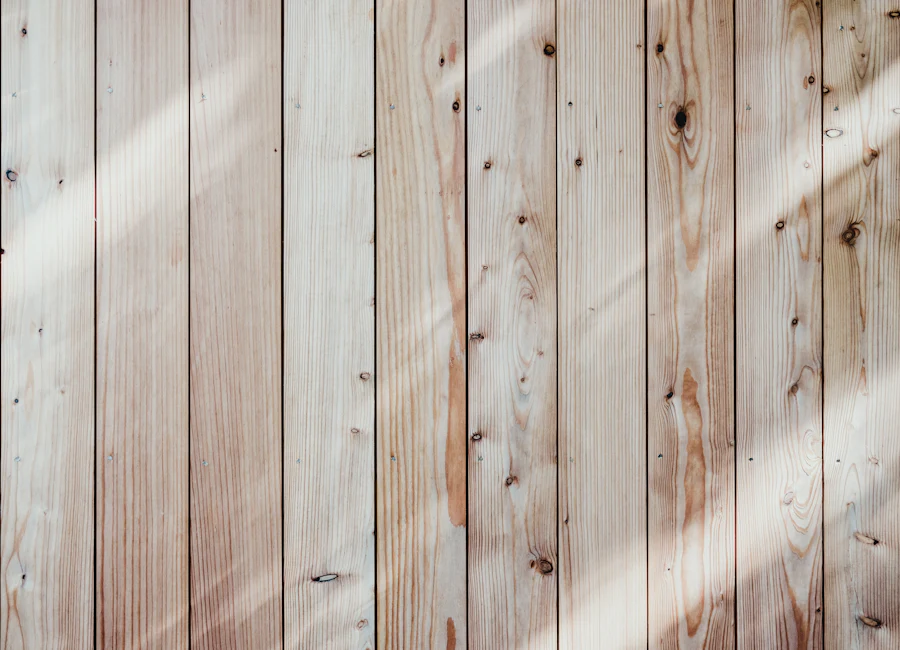
Purpose-made panels, applied mouldings and reclaimed timber can create different looks. Compare the complete fitted cost, including wall preparation, fixings and finishing. Confirm that the chosen system is suitable for its location; flooring should not be assumed suitable for a wall.
With reclaimed material, check its condition and any existing coatings before preparation. Ask an installer to assess the wall and fixing method, including concealed services. Avoid covering ventilation or access points.
If environmental sourcing matters to you, ask for evidence for the specific material. A natural appearance alone does not establish its environmental impact.
Explore wooden beds and furniture
Browse Revival’s wooden beds and bedroom furniture. You can book a showroom visit or request free wood samples to compare the current finishes.